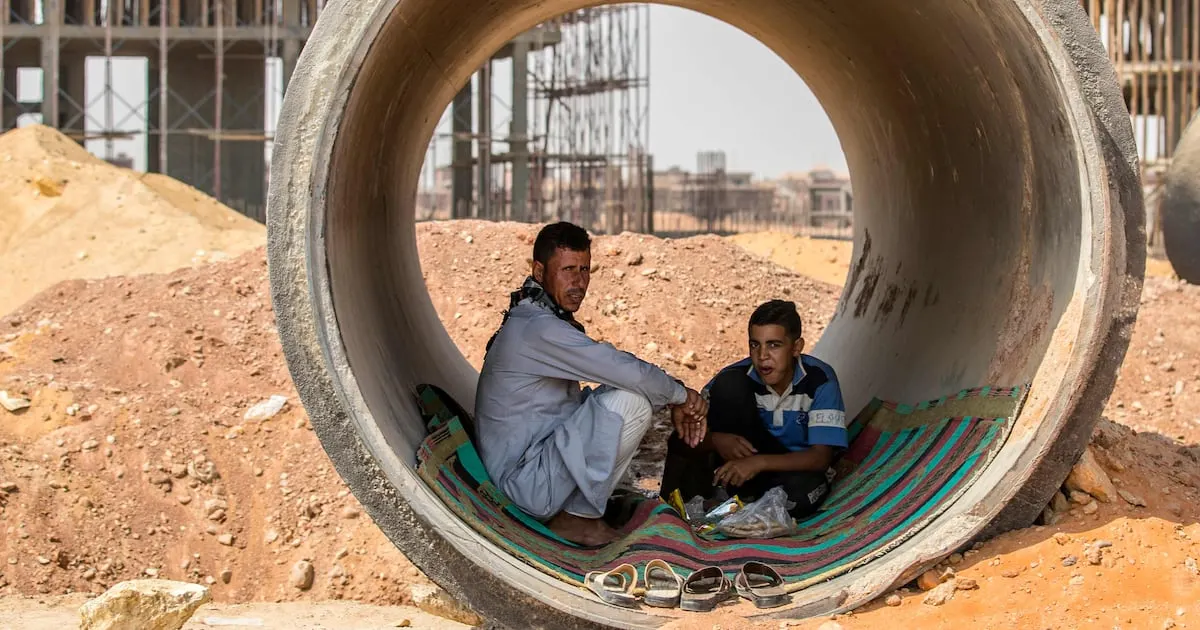
Hisham, 48, sleeps in a cabin in the desert near Ain Sokhna, 200km from his home, guarding a construction site. He earns 10,000 Egyptian pounds ($186) a month, and did so long before the government’s latest wage decision. The job is dangerous, he told. “They should be paying me much more just because of the amount of snakes I have had to kill on the job.” His pay reflects risk, not fair wage by decree. The same holds for much of Egypt’s private sector, where pay often follows its own logic: risk, scarcity of skills and competition from informal work are bigger determinants of pay than government mandates. On Sunday, the National Wages Council, chaired by Prime Minister Mostafa Madbouly, approved a raise in the private-sector minimum wage to 8,500 pounds ($158) a month from January 1, up from 7,000 pounds since March 2025. The decision is binding on all of Egypt’s about four million private establishments, which employ about 26.5 million people, cabinet spokesman Mohamed Adel said. The private sector accounts for 82.8 per cent of the employed. The Labour Ministry said inspectors would strictly enforce the 2025 labour law, which sets fines of 5,000 pounds to 50,000 pounds […]
Society
Egypt Raises Minimum Wage, But Workers Doubt Whether It Can Be Enforced